Kitesurfing uses more gear than most water sports, and as a beginner it can feel like a lot to take in. This guide to kitesurf equipment for beginners explains what each piece does, what to look for, and why you don’t need to buy anything before your first lesson.
Don’t buy before you learn
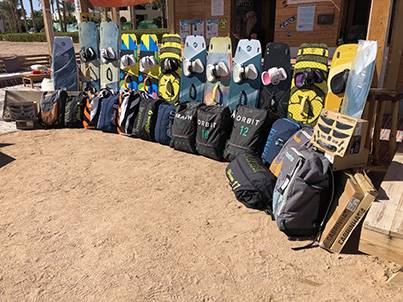
The most common beginner mistake is buying gear too early. The right kite size, board type and harness depend on your weight, your riding style and the conditions where you kite, and you’ll only really know those once you’ve learned. During beginner kitesurfing lessons, you try different equipment under an instructor’s guidance, and once you’re riding on your own, you can rent equipment until you know exactly what suits you.
The kite
The kite provides the power that moves you across the water. Kites come in different sizes, and the right one depends on the wind strength, your weight and your experience. Beginners do best with stable kites that handle predictably, and an instructor’s advice makes choosing much easier.
The board
A good board gives you stability, control and easier water starts. Twin-tip boards are the most popular choice for beginners and recreational riders, since you can ride them in both directions. Directional boards are mostly used for wave riding and more specialized styles.
Harness, bar and lines
The harness connects you to the kite, so your body takes the pull instead of your arms. Waist harnesses are the most common, while seat harnesses can give some beginners extra support. The control bar lets you steer the kite and manage its power, and it includes a quick-release safety system you’ll learn to use in your first lessons. Always check your lines and connections before every session.
Safety gear
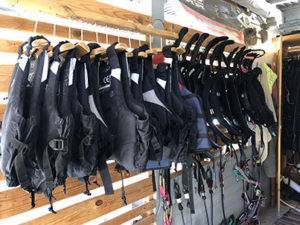
Safety comes first in every session. A helmet protects your head during falls, and an impact vest adds protection and flotation. A wetsuit keeps you comfortable in cooler water, though in the warm water of Sharm El Sheikh, many riders need only a thin one, or none at all for much of the year.
Caring for your equipment
Good maintenance keeps your gear reliable for longer. Rinse everything with fresh water after each session and let it dry completely before storing it. Check your equipment regularly for wear, and replace worn parts before they become a safety risk.
Ready to get on the water?
The best way to understand kitesurf equipment is to use it. If you’re planning to learn kitesurfing in Sharm El Sheikh, our IKO certified instructors will guide you through every piece of gear, and all you need to bring is your enthusiasm. Contact us to plan your first lesson.